
Cost of Vapor Barrier Installation in Mayer, MN
Vapor barrier installation costs in Mayer, MN, can vary depending on several factors including the size of the area, the type of materials used, and the complexity of the site conditions. Typically, project prices are influenced by the scope of work, labor requirements, and the specific materials selected for the vapor barrier. It is important to evaluate these elements to understand the potential investment involved in a vapor barrier project.
Final pricing for vapor barrier installation may differ based on individual project details. Variations in site conditions, such as existing foundation structures or accessibility, can also impact overall costs. To obtain a clearer estimate, it is recommended to consider multiple quotes that account for the scope, materials, and site-specific factors involved in the installation process.
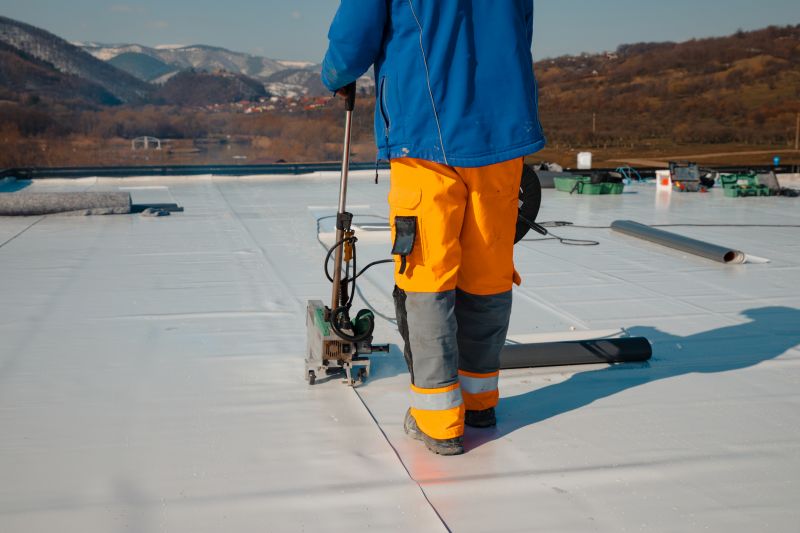
Cost Range for Vapor Barriers
$1,200 - $2,800 (smaller scope)
$3,000 - $7,000 (larger scope)
| Project Type | Typical Range |
|---|---|
| Basic Vapor Barrier Installation | $1,200 - $2,800 |
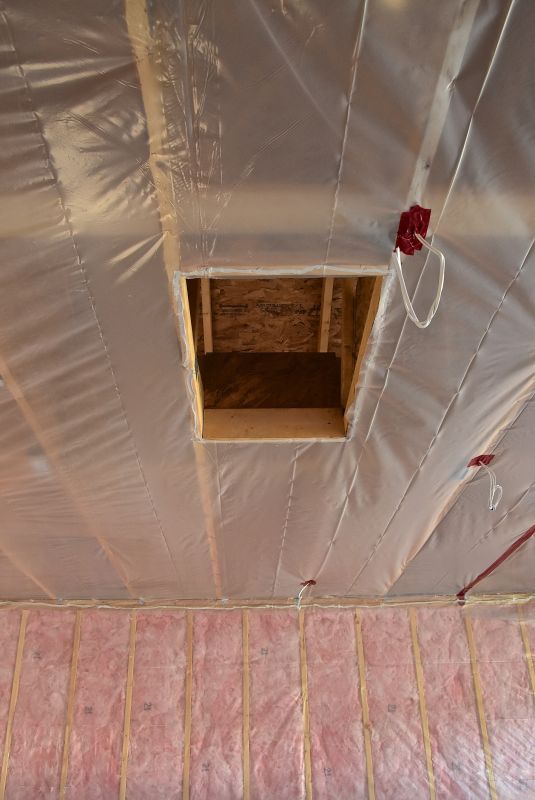
| Insulation and Vapor Barrier | $2,500 - $4,500 |
| Complete Basement Encapsulation | $4,500 - $7,000 |
| Garage Vapor Barrier | $1,500 - $3,000 |
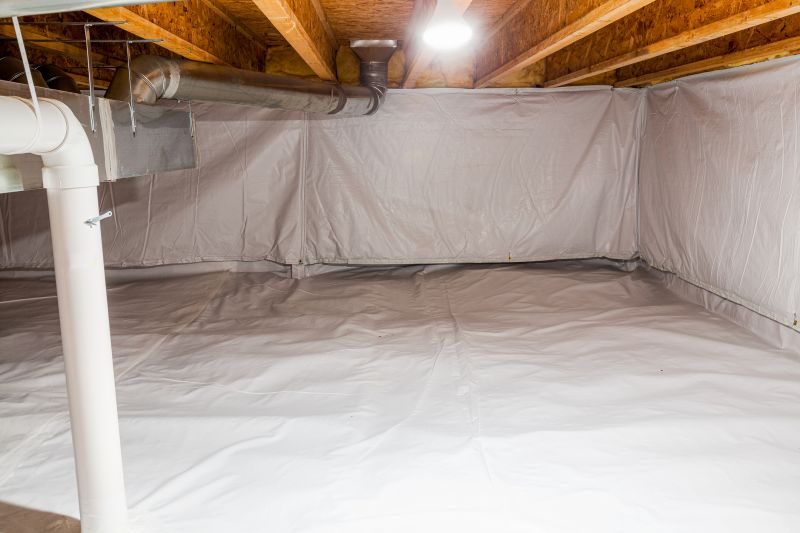
| Crawl Space Vapor Barrier | $1,200 - $2,500 |
| Foundation Wall Vapor Barrier | $3,000 - $6,000 |
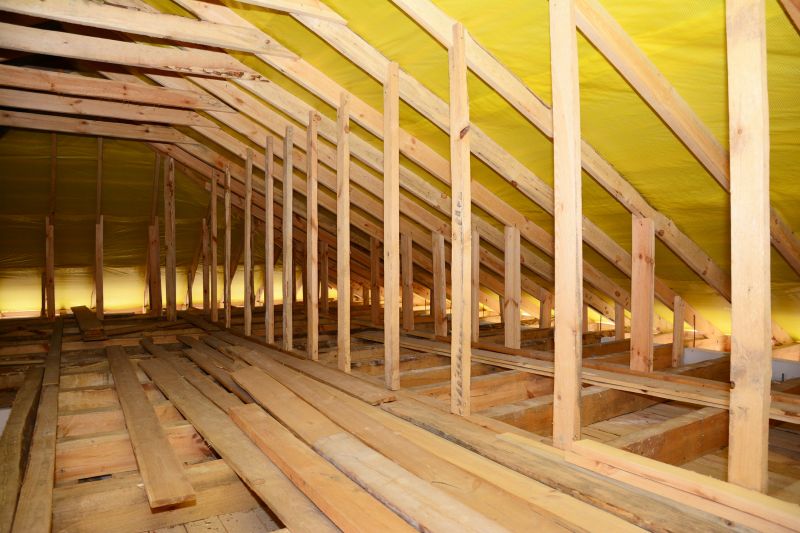
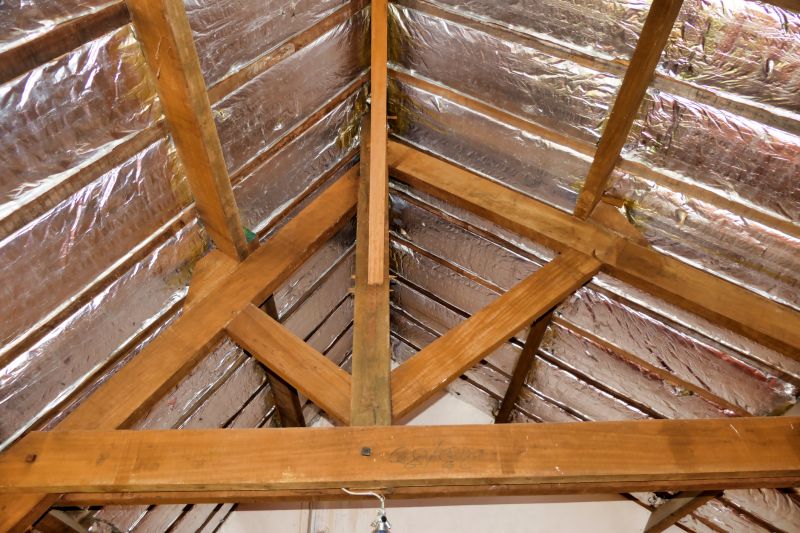
Factors Affecting Installation Costs
Vapor barrier installation is an important step in managing moisture and improving energy efficiency in Mayer, MN homes. Proper installation can help prevent mold growth and protect insulation, contributing to a healthier indoor environment. Understanding the typical scope and considerations can assist in planning and budgeting for this project.
- Materials: Common vapor barrier materials include polyethylene plastic sheeting, typically 6 to 10 mil thick, suitable for residential applications in Mayer, MN.
- Size and Scope: Installation usually covers crawl spaces, basements, or under concrete slabs, with sizes ranging from small areas to entire foundation perimeters.
- Labor Complexity: The process involves laying out and securing the barrier, which may require cutting and sealing overlaps, depending on space size and configuration.
- Permitting: Local regulations may require permits for foundation modifications or underground work, especially in new construction or major renovations.
- Extras: Additional considerations include sealing edges, installing vapor retarder tapes, and addressing ventilation or insulation adjustments as needed.